2nd Edition of Cell & Gene Therapy World Conference 2026
Speakers - CGTWC2026
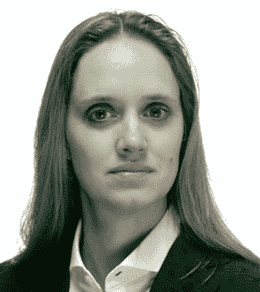
Carolyn Brokowski
Carolyn Brokowski
- Designation: University of CT
- Country: USA
- Title: Novel Gene Editing Technologies and Emerging Biosecurity Threats
Abstract
Nucleic-acid-editing innovation, driven by the CRISPR-Cas9 gene-editing revolution, offers demonstrated biomedical advancements and considerable potential to promote global well-being. Nevertheless, with this unprecedented innovation, unique biosecurity considerations arise. Here, we examine how emerging technologies are lowering barriers to the development and potential misuse of biological agents, transforming bioweapons from inefficient, unpredictable tools into increasingly plausible instruments of massive disruption. Specifically, we first examine translational-science advancements, focusing on recent clinical trial outcomes and the incorporation of artificial intelligence into precision medicine and synthetic biology. We next evaluate concerns about biological security, capabilities, threats, weaponization, and potential delivery mechanisms. Our discussion highlights the need for strengthened international norms, improved biosurveillance, and resilient health systems to mitigate evolving risks while preserving the benefits of innovation.
The 2nd Edition of Cell & Gene Therapy World Conference (CGTWC 2026) is one of those leading events that would stand high in biology and medical science. CGTWC 2026 will be held in ...
Read More>>
Organizer
