3rd Edition of Cell & Gene Therapy World Conference 2027
Speakers - cgtwc2026
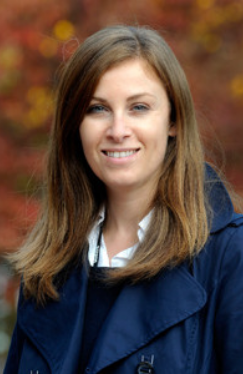
Raluca Dumitru
Raluca Dumitru
- Designation: VP Scientific Affairs
- Country: USA
- Title: Source Matters Optimizing Donor Inputs for Allogeneic Manufacturing
Abstract
While autologous cell therapies have demonstrated remarkable clinical potency, their individualized manufacturing is costly, complex, and time-intensive, creating a strong need for scalable, readily available “off-the-shelf” allogeneic therapies. However, realizing the promise of allogeneic manufacturing requires greater control over the biological variability introduced by the cellular starting materials. Donors are not interchangeable starting materials. Differences in genetics, age, health status, collection characteristics, and intrinsic cellular state can influence cell yield, composition expansion, functional potential, and response to manufacturing conditions. These effects may propagate through the process and ultimately affect consistency, scalability and product quality. This presentation will explore how a more systematic understanding of donor biology can transform donor selection from a sourcing activity into an upstream manufacturing strategy. Emphasis will be placed on identifying measurable donor and starting-material attributes that correlate with downstream performance, distinguishing donor-driven variability from collection, processing, and logistical effects, and developing data-driven approaches to classify and rank donor inputs. A framework for building donor signatures will be discussed integrating donor metadata with cellular phenotype, functional assays, manufacturing performance, and potentially multi-omic measurements. Such signatures could enable prospective identifications of donors with desirable manufacturing characteristics, improve consistency between production runs and reduce the cost and time associated with poorly performing starting material.
The 3rd Edition of Cell & Gene Therapy World Conference (CGTWC 2027) is one of those leading events that would stand high in biology and medical science. CGTWC 2027 ...
Read More>>
Organizer
